

Testosterone Replacement Therapy in Albuquerque | Reform ABQ
Boost energy, libido, muscle mass, focus, and motivation with medically supervised testosterone replacement therapy tailored to your needs.
At Reform ABQ, we offer personalized TRT options — including injections, topical creams, and BioTE® pellets — with comprehensive lab testing, ongoing monitoring, and convenient membership plans.
Common Symptoms of Low Testosterone
Low testosterone (Low T) can cause:
-
Fatigue and low energy
-
Reduced libido and erectile concerns
-
Brain fog and poor concentration
-
Mood changes or irritability
-
Decreased muscle mass and strength
-
Increased abdominal fat
-
Poor workout recovery
-
Low motivation and drive
-
Sleep disturbances
If these sound familiar, a comprehensive hormone evaluation can help determine if TRT is right for you.

Testosterone Treatment Designed Around You
Reform ABQ provides testosterone replacement therapy for patients throughout Albuquerque, Rio Rancho, Los Lunas, Santa Fe, and surrounding New Mexico communities. Our clinic offers medically supervised TRT, hormone evaluations, ongoing monitoring, and personalized treatment plans for men experiencing symptoms of low testosterone.
Individualized Hormone Care
Testosterone replacement therapy plans tailored to your symptoms, laboratory results, medical history, lifestyle, and long-term health goals. Reform ABQ focuses on personalized hormone optimization rather than a one-size-fits-all approach to TRT.
Streamlined Follow-Up
Designed to make ongoing testosterone therapy more convenient through coordinated visits, simplified communication, and efficient in-office care at Reform ABQ. Our team focuses on creating a smoother treatment experience with continued provider access and individualized support throughout therapy.
Evidence-Based Monitoring
Treatment decisions guided by symptoms, laboratory data, and clinical response to help support safe, individualized hormone optimization over time. Ongoing evaluation helps assess treatment effectiveness, hormone balance, and overall wellness throughout testosterone replacement therapy.
Comprehensive Symptom Assessment
Low testosterone symptoms can overlap with sleep issues, stress, metabolic concerns, medication effects, and other health conditions. Reform ABQ evaluates the broader clinical picture to help determine whether testosterone therapy is appropriate and individualized to your needs.
The TRT Process at Reform ABQ

Initial Consultation
Your first visit focuses on understanding your symptoms, health concerns, lifestyle, and treatment goals, as well as factors that may contribute to hormone imbalance.
Laboratory Evaluation
Blood work helps evaluate testosterone levels and provides additional clinical information to guide diagnosis and treatment recommendations.
Treatment Recommendations
If appropriate, your provider will discuss available testosterone therapy options and help determine the approach that best fits your needs and preferences.
Continued Care
Ongoing visits allow your provider to assess progress, address concerns, and make adjustments when needed throughout treatment.
Testosterone Treatment Options at Reform ABQ
Reform ABQ provides medically supervised testosterone replacement therapy in Albuquerque with individualized treatment options based on symptoms, laboratory findings, medical history, lifestyle factors, and treatment goals. Our clinic offers ongoing hormone monitoring and personalized TRT plans designed to support energy, recovery, body composition, libido, focus, and overall wellness in men with low testosterone.

Testosterone injections are one of the most common and effective forms of testosterone replacement therapy for men with low testosterone. Injectable TRT allows for flexible dosing, consistent hormone management, and individualized treatment adjustments based on symptoms, laboratory monitoring, and treatment response.

Topical testosterone creams provide a non-injectable hormone therapy option for men seeking convenient daily testosterone replacement. Cream-based TRT may help support energy, libido, focus, recovery, and overall hormone balance when used as part of a medically supervised treatment plan.

Reform ABQ offers Biote® testosterone pellet therapy for men seeking longer-lasting hormone optimization with fewer treatment sessions. Biote® pellets are inserted beneath the skin and provide consistent testosterone delivery over time as part of a personalized hormone replacement therapy plan.
Testosterone Membership Options
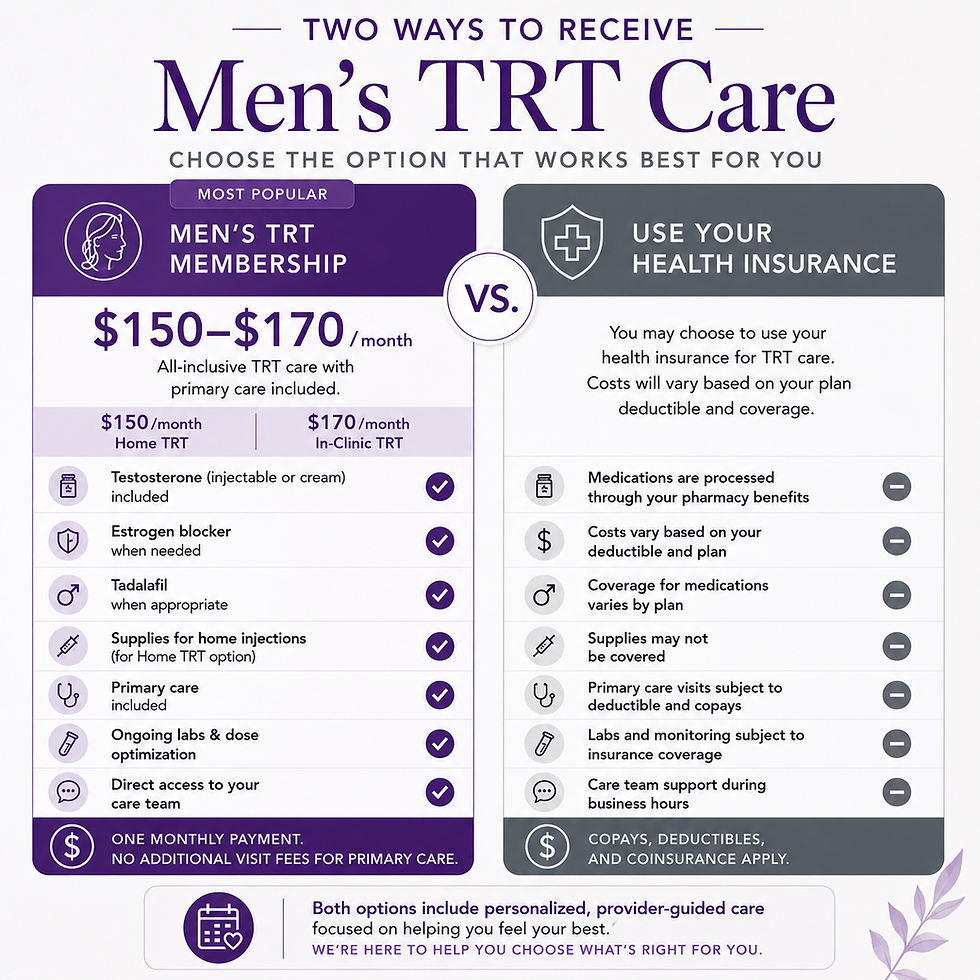
Our Testosterone Memberships make it easy to receive ongoing hormone replacement therapy with predictable monthly pricing. Whether you choose home therapy or in-office injections, your membership includes the medications, monitoring, and medical support you need to achieve optimal results.
Additional Information
Patients typically pick up medications and supplies from our clinic every 1–3 months, depending on their individualized treatment plan. Patients may also choose to use their health insurance instead of a membership if preferred. Biote® testosterone pellet therapy is offered separately and is not included in the TRT Membership.
Why Men Choose Reform ABQ for TRT
Individualized Treatment Plans
No two patients experience hormone imbalance the same way. Treatment recommendations are tailored to symptoms, laboratory findings, medical history, lifestyle factors, and treatment goals.
Continued Provider Oversight
Our team provides ongoing follow-up care, treatment adjustments, and monitoring throughout therapy to help support consistency and long-term treatment success.
Multiple TRT Treatment Options
Reform ABQ offers testosterone injections, topical testosterone creams, and Biote® pellet therapy based on patient preference and clinical appropriateness.
Comprehensive Wellness Approach
Hormone health can impact energy, recovery, body composition, sleep quality, libido, focus, and overall wellness. Our approach looks beyond testosterone levels alone.
Testosterone Replacement Therapy FAQs
Find answers to common questions about testosterone replacement therapy in Albuquerque, including symptoms of low testosterone, TRT treatment options, insurance coverage, testosterone memberships, laboratory monitoring, follow-up care, Biote® pellet therapy, and what to expect during treatment at Reform ABQ.
Does insurance cover testosterone replacement therapy?
Some insurance plans may cover testosterone replacement therapy (TRT) when medical necessity criteria, symptoms, and laboratory requirements are met. Coverage for testosterone therapy varies based on deductibles, copays, prior authorization requirements, and individual insurance benefits. Patients using insurance for testosterone therapy may still be responsible for medication costs, injection supplies, or pharmacy-related expenses depending on their treatment plan and insurance coverage.
What symptoms can low testosterone cause?
Low testosterone symptoms may include fatigue, reduced libido, erectile concerns, brain fog, mood changes, poor recovery, difficulty building muscle, increased abdominal weight gain, low motivation, reduced endurance, and sleep disturbances. Symptoms and severity can vary between patients. Blue Cross Blue Shield Presbyterian UnitedHealthcare Cigna Humana Medicare Molina Turquoise Care Medicaid plans Insurance coverage can vary depending on your specific plan. Our team can help verify your benefits before your appointment.
What testosterone therapy options do you offer?
Reform ABQ offers testosterone injections, topical testosterone creams, and Biote® testosterone pellet therapy depending on symptoms, laboratory findings, medical history, and patient preference.
Do you offer testosterone memberships?
Yes. Reform ABQ offers testosterone membership options designed to simplify ongoing testosterone replacement therapy, treatment monitoring, medication coordination, and provider follow-up care. Testosterone memberships start at $150 per month and may include testosterone medication, injection supplies, supportive medications when clinically appropriate, and flexible home or in-office administration options. Most patients pick up medications and supplies directly from the clinic every 1–3 months depending on their individualized treatment plan. Biote® pellet therapy is offered separately and does not require a testosterone membership.
Do you perform lab testing in-office?
Yes. Reform ABQ performs convenient in-office lab draws for testosterone monitoring, hormone evaluation, and follow-up care as part of ongoing TRT management.
Can I administer testosterone injections at home?
Some patients may qualify for home testosterone injections depending on their individualized treatment plan, provider recommendations, and comfort with self-administration. In-office administration options are also available.
How often are follow-up appointments required during TRT?
An initial consultation and hormone evaluation are required before starting testosterone replacement therapy. Most patients are typically seen in clinic every 3–6 months for testosterone follow-up visits, laboratory monitoring, and treatment evaluation depending on their individualized treatment plan and provider recommendations. At least one in-person appointment is required annually for ongoing testosterone management.
How long does it take to notice results from TRT?
Response times vary between patients, but some men may notice improvements in energy, recovery, libido, focus, motivation, and overall wellness within the first several weeks of treatment. Long-term results may continue to develop over time with ongoing monitoring and treatment adjustments.
Who may be a candidate for testosterone replacement therapy?
Men experiencing symptoms of low testosterone along with laboratory-confirmed hormone deficiency may be candidates for TRT. A consultation and hormone evaluation help determine whether testosterone therapy is appropriate based on symptoms, medical history, and overall health.
Is testosterone replacement therapy safe?
Testosterone replacement therapy should be prescribed and monitored by a qualified healthcare provider with appropriate laboratory evaluation and follow-up care. Treatment recommendations are individualized based on symptoms, medical history, hormone levels, and ongoing response to therapy.
